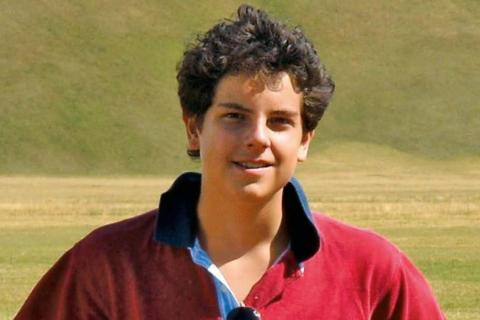
Her parents, Maria Teresa and Ruggero Badano, describe the 18 years they lived together in Sassello, Italy, a family experience deeply rooted in the Gospel
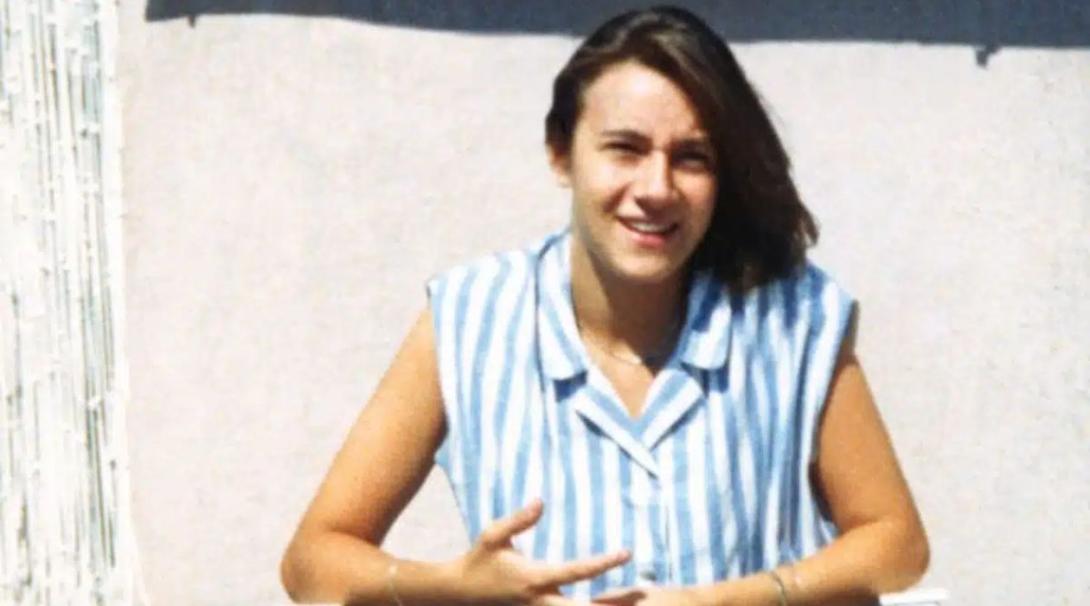
Chiara Luce Badano
We married when we were 26 years old. Our great desire was to have children, but we had to wait eleven years. When Chiara arrived, we understood more deeply the grace connected to the sacrament of matrimony; it completed our union.
Chiara grew to be beautiful and healthy, and she gave us so much joy; but we immediately recognized that she wasn’t only our daughter. She was first of all God’s, and we had to raise her in a way that respected her freedom.
One day, on her way home from kindergarten, Chiara had asked if she could stop by a neighbor’s house. She returned with a beautiful red apple in her hand, which she had taken from our neighbor. I sensed that it was without permission, so I explained that she would have to return it and apologize. She seemed very worried and ashamed, so I told her I would watch from the balcony, and this gave her courage to go. A few minutes later, our neighbor came over with a beautiful basket of apples. “Now you should have your snack with your mother,” she said, “because today she’s taught you something important.”
Chiara, like all children, liked to play. One day I said to her, “You surely have a lot of toys!” and I suggested she give some away to children in need. “They’re mine!” she said, and she made a gesture like grasping her toys out of fear. I later heard her saying, “This one yes, this one no…!” She had divided all her toys; then she asked me for a bag in which she put a few of them. I noticed they were the newer toys, and she said, “Mom, you can’t give away the broken, old toys to poor children.”
When she was nine, Chiara met the Focolare through a friend. She herself noticed a difference in this friendship. “My new friend,” she told me, “is different from the others I have around here.” It was a fundamental moment for Chiara, who immediately connected with other young people with the same ideal of unity. We would often ask her questions when she returned home, because we didn’t know the group well, but her answers were vague, telling us only that they played games and read the Gospel.
Young people are the future. You see, I can no longer run, but I would like to pass the torch on to them, Mom, like in the Olympics ... because they have only one life, and it is worthwhile to spend it well.
Chiara was full of life and fun. She loved to laugh, sing and dance. At that time in Sassello there weren’t many places in which to hang out. In the summer, teenagers would gather at the coffee shop and have an ice cream together. She skated, played tennis and loved the mountains, but she especially loved going to the beach.
One day when she was 17 years old, while playing tennis, she felt a sharp pain in her back, which was initially thought to be a dislocation and would heal on its own. Because the pain continued, during the Christmas holidays she called the doctor to ask for further tests.
The CAT scan revealed an osteosarcoma. Drawing close together, Ruggero and I said, “Only Jesus can help us to say yes to this,” and we asked with great intensity that “Our Lady would take Chiara by the hand along this new road.”
We moved to Turin, as Chiara began her chemotherapy. I wasn’t able to go with her one day, and when Ruggero and Chiara finally returned home, I saw her walking slowly, with her face buried in her green coat as she looked at the ground. I asked her how it went, and she said, “Don’t say anything right now,” and she threw herself on her bed. The silence was terrible, but I had to respect it. I could see the entire battle that was being fought within her to say “yes” to Jesus. Twenty-five minutes went by; then she turned to me with her radiant smile and said, “Now you can talk.” At that moment I wondered how many times Chiara would have to repeat that “yes” through her suffering. It only took her 25 minutes, and she never turned back. She called the doctor, asking him to discontinue the chemotherapy, because it was no longer having an effect.
One afternoon she asked, “Mom, are there many people in the house?” I said: “Yes, Chiara, a lot of people. Why?” She said: “Because I want to greet them. Don’t worry, Mom, I’ll take the oxygen mask off so they won’t feel uncomfortable.”
When they all left, I said to her: “Chiara you certainly loved up to the last minute. It seemed that you greeted everyone in a special way, but you greeted the young people in a different way.” She answered: “Young people are the future. You see, I can no longer run, but I would like to pass the torch on to them, Mom, like in the Olympics ... because they have only one life, and it is worthwhile to spend it well.”
Chiara’s last words to us when she said goodbye were: “Bye, Mom. Be happy, because I am.”
But this was not her last act of love; she then donated her corneas to two young people who are now able to see, thanks to her.